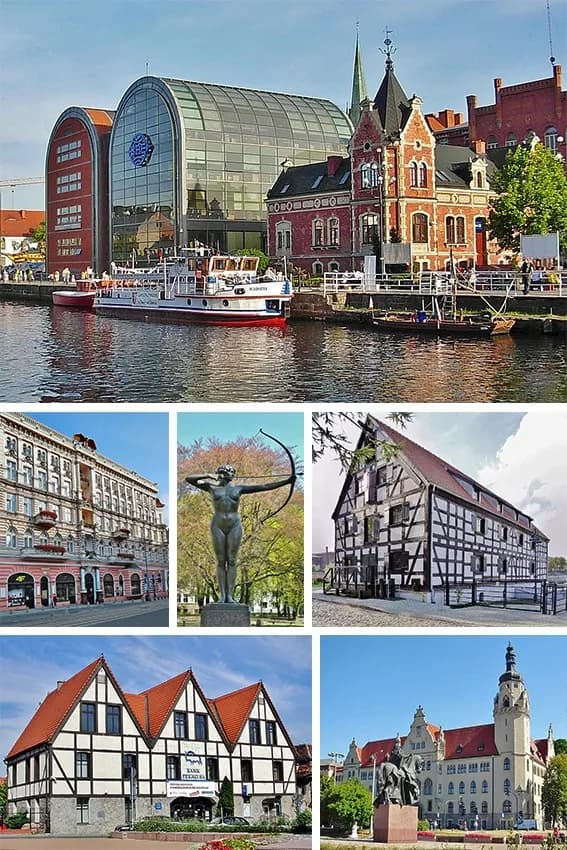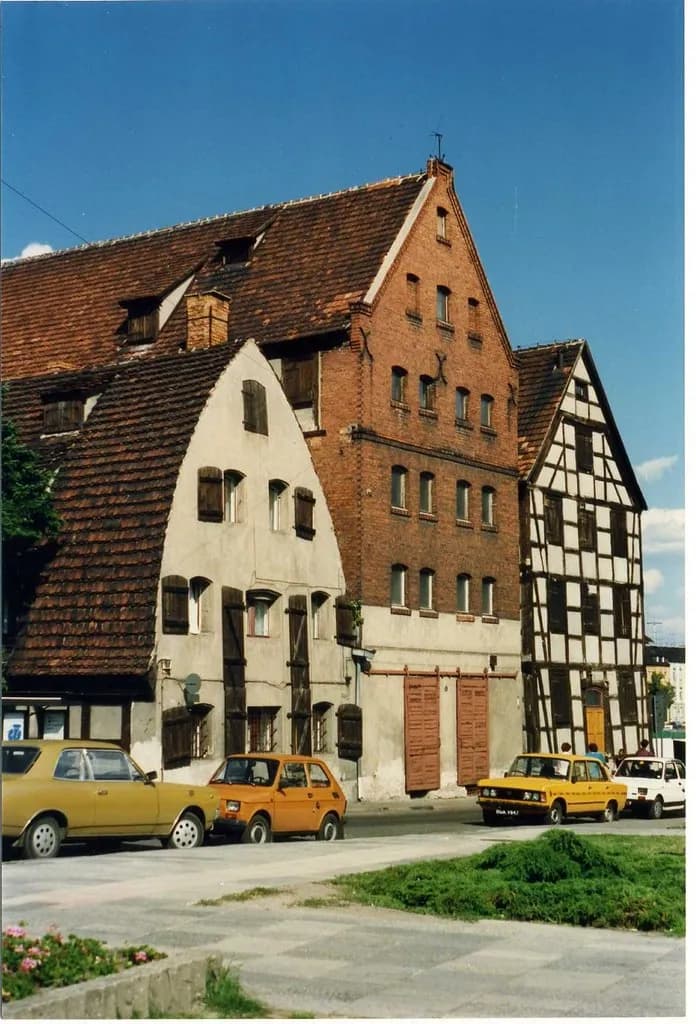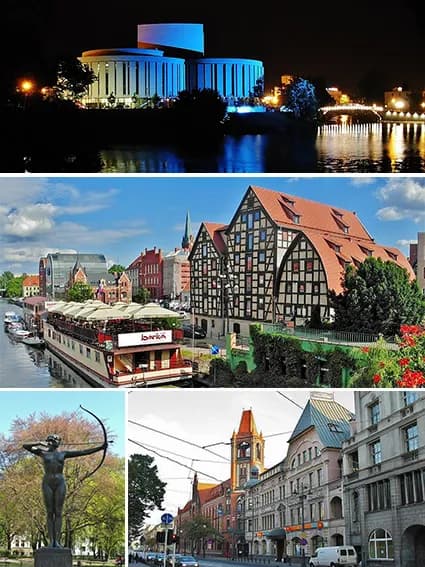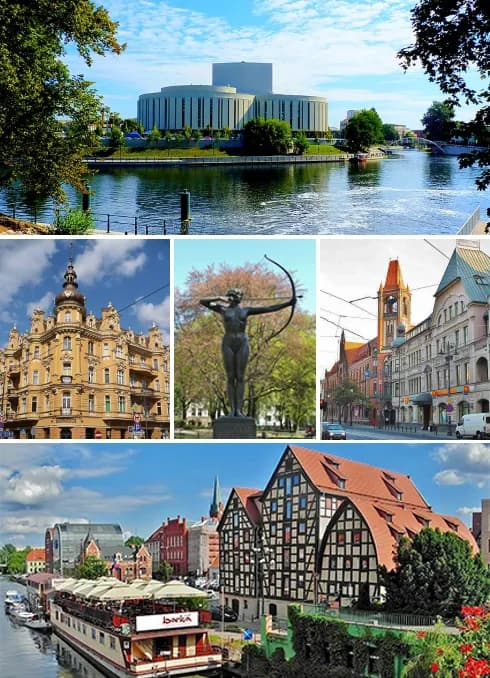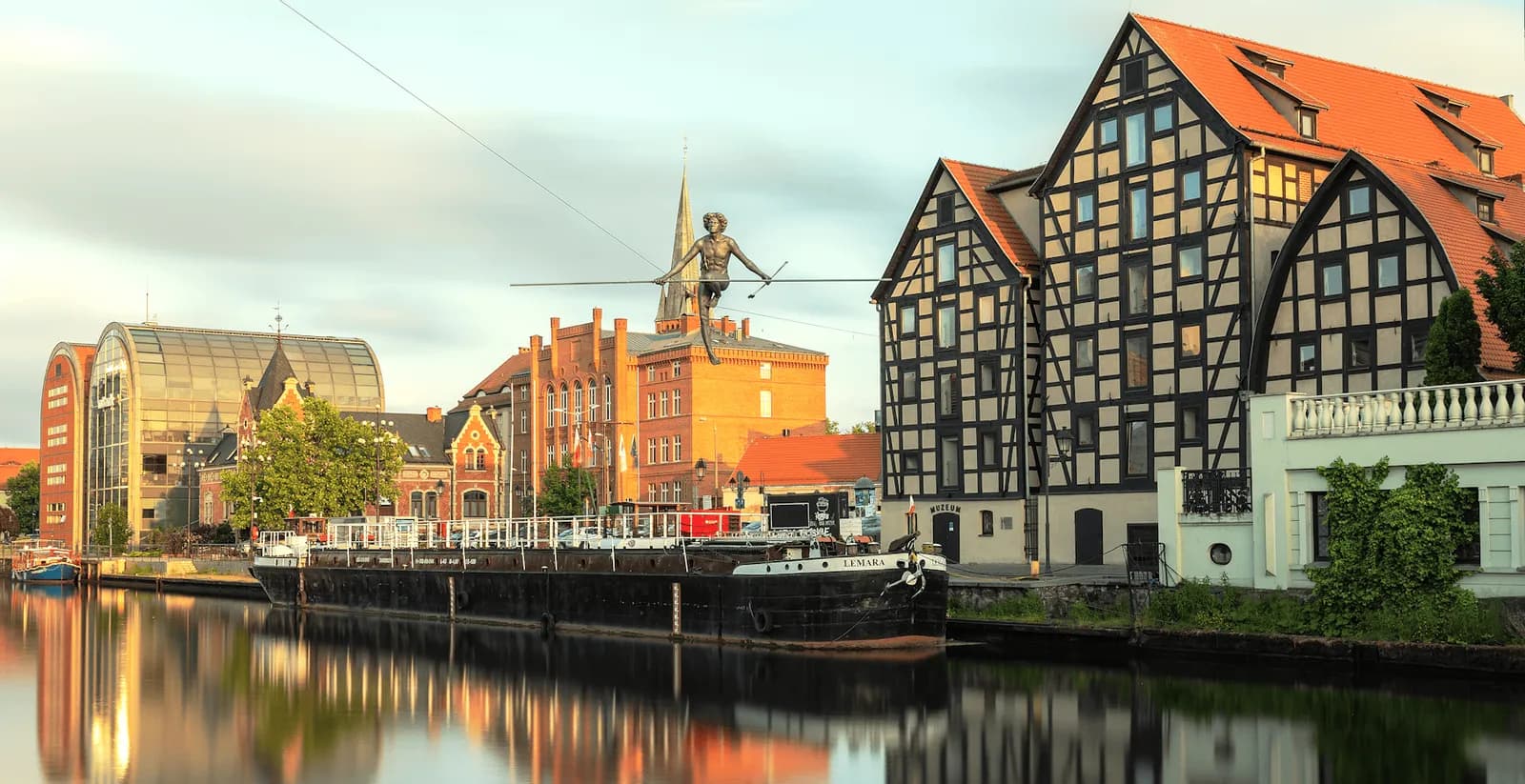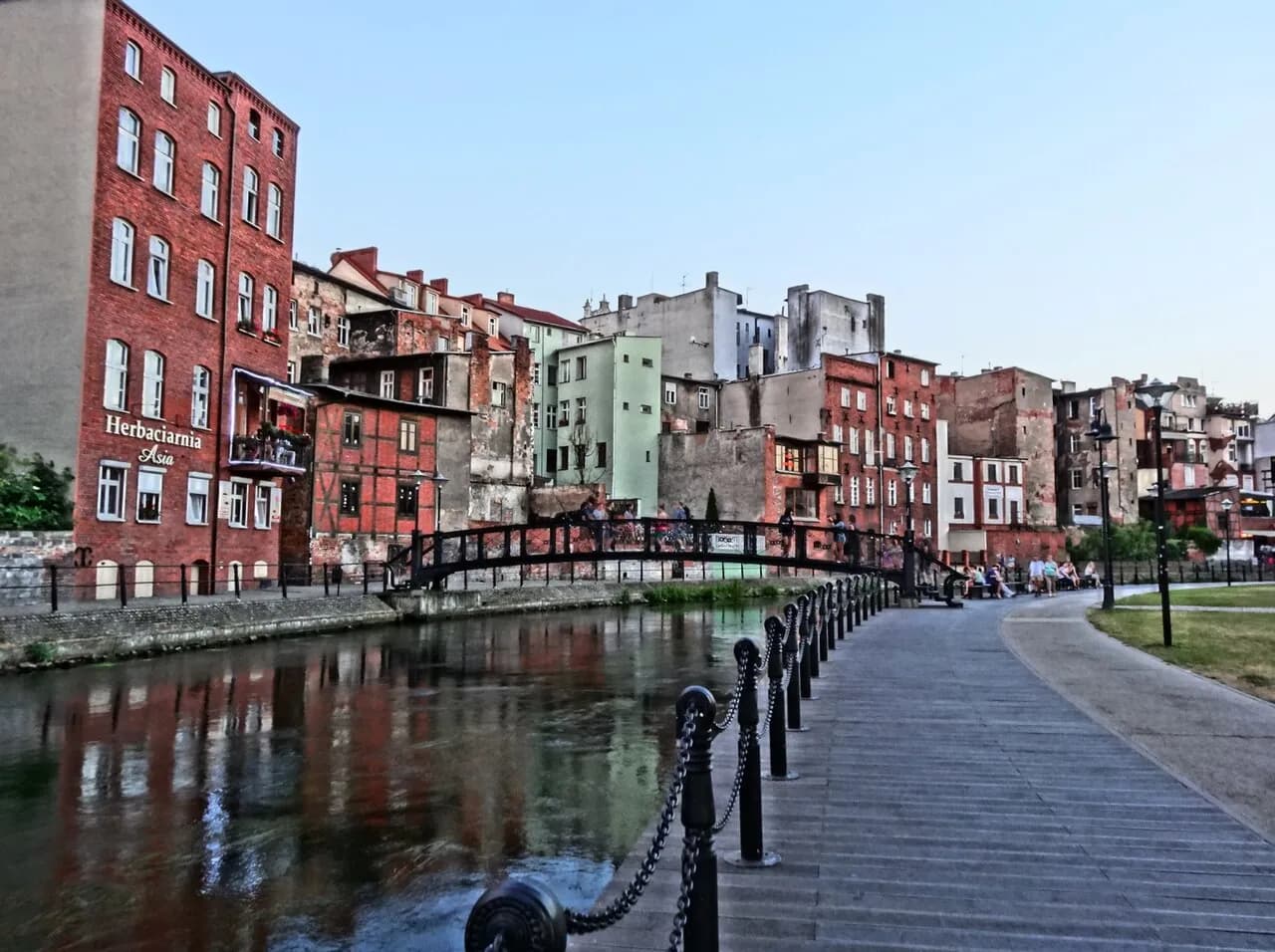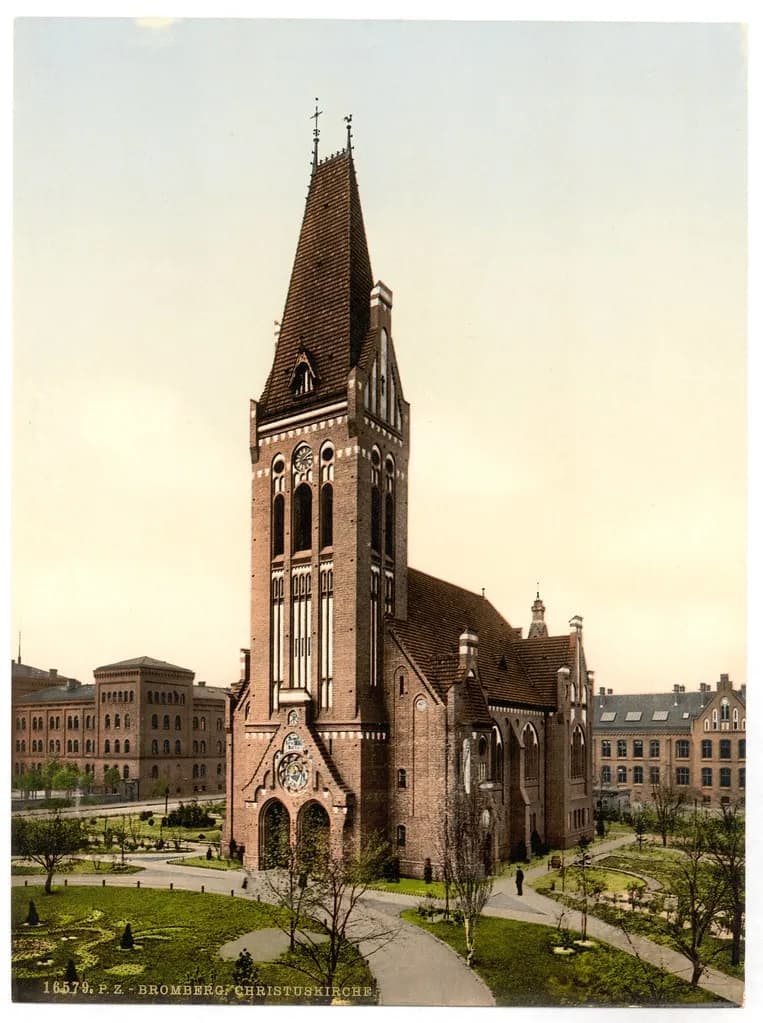
Bydgoszcz’s story can be traced back to an early medieval stronghold and settlement on the Brda River, with its documented history emerging in the 13th century.
On 19 April 1346, King Casimir III the Great granted the town Magdeburg rights, marking a decisive moment in its development as a trading centre in Kuyavia.
The town’s strategic position at the confluence of the Brda and Vistula rivers gave it unparalleled access to river routes that shaped its commercial significance in Poland. By the 15th and 16th centuries, Bydgoszcz had become one of the country’s major hubs for grain and salt trade. The bustling economy supported over 20 guilds by the end of the 16th century, reflecting an active artisan and merchant community that contributed to the city’s prosperity.
Despite suffering considerable setbacks during the Swedish Deluge from 1655 to 1660, the resilience of Bydgoszcz’s citizens led to the restoration of the river port and trade infrastructure in the following decades. It was the construction of the Bydgoszcz Canal between 1773 and 1774, though, that profoundly transformed the city’s prospects. This 26-kilometre waterway linked the Oder and Vistula river basins, creating a critical junction in Poland’s inland water transport network.
The canal not only re-established Bydgoszcz as a vital commercial gateway but also sparked industrial development. Throughout the 19th century, the city flourished as shipyards and trading enterprises flourished along the waterways, securing Bydgoszcz’s role as a busy industrial and economic centre. This historic canal and its surrounding infrastructure remain a significant part of the city’s heritage, celebrated today in the Museum of the Bydgoszcz Canal.
From a modest fishing stronghold to a key node in riverine trade routes, Bydgoszcz’s history is one of adaptation and growth, rooted deeply in its waterways and strategic location. Its past continues to shape the city’s identity and its importance within the Kuyavian region.